.png "Speego Vehicles Co. Pvt. Ltd.")

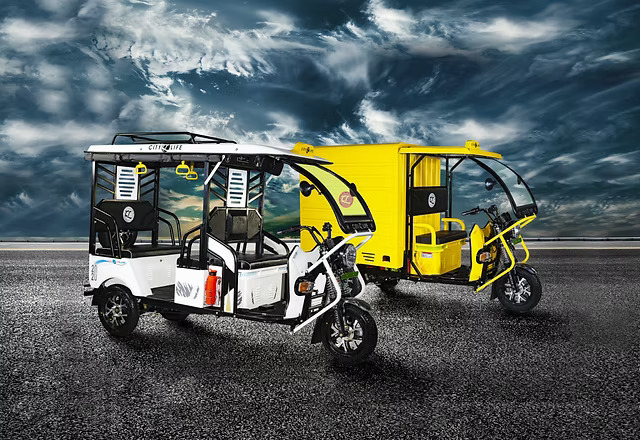
Anyone who travels regularly in Indian cities knows the situation well. Roads are crowded almost all day, fuel prices keep climbing, and air quality warnings have become routine rather than occasional. For drivers and commuters alike, transport is no longer just about reaching from one place to another; it’s about managing rising costs and dealing with pollution that affects everyday life.
Over the last few years, e-rickshaws have quietly stepped into this gap. Not as a “new technology hype”, but as a practical answer to very real problems. Today, in many cities and towns, they’ve become part of daily movement, especially for short routes and last-mile travel.
Why cities are slowly shifting away from fuel vehicles
Petrol and diesel vehicles have supported India’s transport needs for decades, but their drawbacks are becoming harder to ignore. Fuel costs directly eat into a driver’s income. Emissions add to already poor air quality. And constant noise from traffic affects residential areas more than we realise.
This is why discussions around electric mobility solutions in India are no longer limited to policy papers. They are happening on the ground. Municipal bodies, fleet operators, and even small transport owners are looking for options that are cheaper to run and easier on the environment. E-rickshaws fit into this picture naturally because they don’t require major infrastructure changes and are already familiar to the public.
Pollution reduction isn’t theoretical — it’s visible
One of the most noticeable differences between an e-rickshaw and a petrol auto is that you don’t see smoke.
Zero-emission e-rickshaws don’t release exhaust fumes on the road. In busy market areas or near metro stations where dozens of short trips happen every hour, this makes a real difference. Fewer fumes mean cleaner air at street level, where people actually breathe.
There’s also the matter of noise. E-rickshaws operate quietly, which may seem like a small thing until you compare it with fuel autos idling outside homes, schools, or hospitals. Over time, this quieter operation contributes to a more livable urban environment.
These are the kinds of electric rickshaw environmental benefits that aren’t just discussed in reports; they’re experienced daily by people living in dense areas.
Fuel savings that drivers actually feel
Ask any auto driver what affects earnings the most, and fuel cost will almost always come up first. With petrol prices fluctuating and rarely dropping, daily expenses are unpredictable.
This is where e-rickshaw fuel cost savings become very real. Charging an e-rickshaw costs much less than refuelling a petrol vehicle. Over weeks and months, the difference adds up. For many drivers, this means more stable earnings rather than constantly adjusting fares just to cover fuel.
Maintenance is another area where savings show up quietly. A low running cost e-rickshaw doesn’t need engine oil changes, clutch replacements, or complex mechanical repairs. Fewer parts mean fewer breakdowns and less time spent off the road.
Electric rickshaw vs petrol auto — a practical view
On paper, comparisons are easy. On the road, the difference becomes clearer.
When you compare an electric rickshaw vs petrol auto, electric options often make more sense for short distances and frequent stops. They cost less to operate, produce no emissions, and are easier to maintain. Petrol autos still have their place, but for last-mile connectivity and urban travel, many operators are finding electric rickshaws more practical in everyday use.
Their role in India’s urban transport system
E-rickshaws are not replacing buses or metros; they’re supporting them. They help people travel the “last stretch” from stations to homes, markets, or offices. This makes them an important part of sustainable urban transportation in India, rather than a competing mode.
Because of this, more city planners and private operators are including e-rickshaws in broader transport strategies as part of electric mobility solutions.
Who actually benefits from e-rickshaws?
Drivers benefit from lower expenses and steadier income.
Businesses benefit from reduced operating costs and easier fleet expansion.
Cities benefit from lower pollution, less noise, and reduced fuel dependency.
It’s rare to find a transport option that checks all three boxes so effectively.
Looking ahead
Electric mobility in India is still evolving, but e-rickshaws are already playing a leading role. As battery technology improves and charging becomes more accessible, their use is likely to expand even further.
For short-distance travel in growing cities, green transportation e-rickshaws are not just an alternative anymore; they’re becoming the sensible choice.
Final thoughts
E-rickshaws don’t promise perfection. What they offer is practicality. They reduce pollution where it matters most on crowded streets. They lower fuel costs in ways drivers can actually measure. And they support a transport system that needs to become cleaner and more affordable.